Custom Paper Products: Should You Work Directly with a Factory or a Trading Company?
Custom Paper Products: Should You Work Directly with a Factory or a Trading Company?
When sourcing custom paper products such as sticky notes, notebooks, memo cubes, packaging boxes, or PET index tabs, one question comes up repeatedly:
Should I work directly with a manufacturer or choose a trading company?
The answer depends on your business goals, order volume, and expectations. Understanding the differences can help you make a smarter purchasing decision.
What Does a Factory Do?
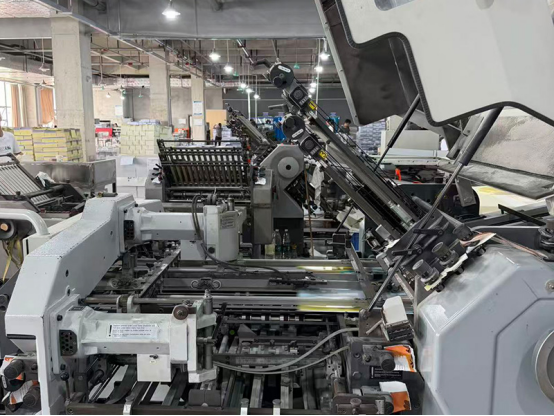
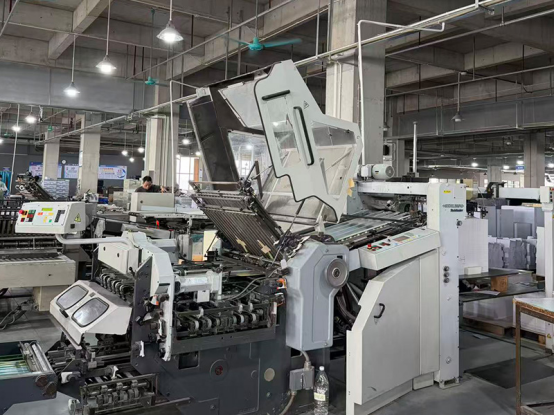
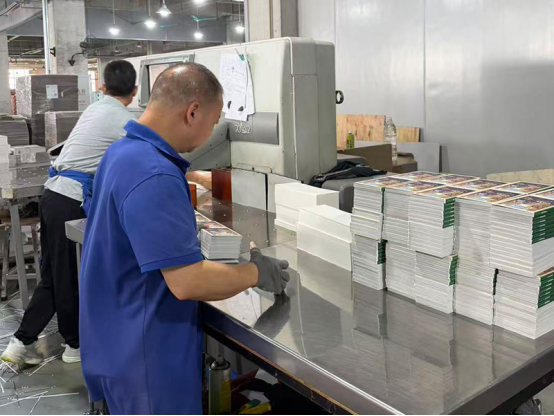
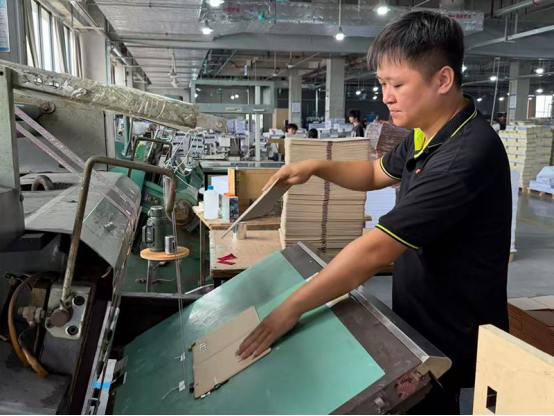
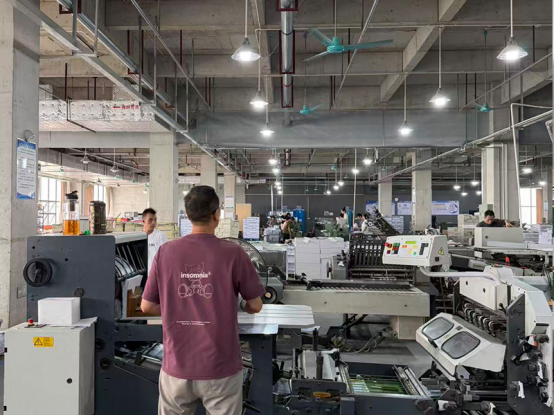
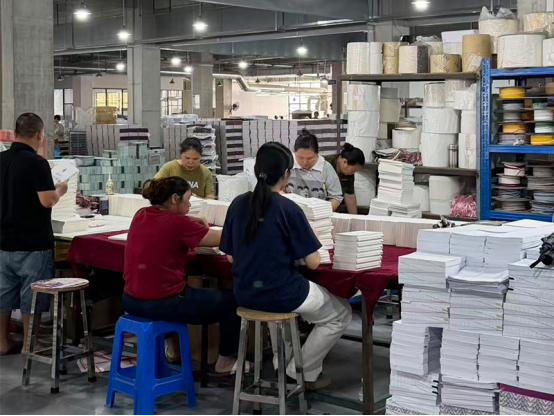
A factory is the actual manufacturer. It owns the production equipment, employs skilled workers, controls quality, and manages the entire manufacturing process from raw materials to finished products.
Advantages of Working with a Factory
1. Better Pricing
Since there is no middleman, factory-direct purchasing often provides more competitive pricing, especially for medium and large orders.
2. Stronger Customization
Factories can customize nearly every detail, including:
· Product size
· Paper material and GSM
· Printing colors
· Cover materials
· Logo printing
· Packaging design
· Special finishes such as foil stamping, embossing, UV coating, or die-cut shapes
This flexibility is particularly valuable for brands that want unique products.
3. Faster Communication
Questions about production, materials, artwork, or technical issues can be answered directly by the engineering or production team, reducing misunderstandings and saving valuable time.
4. Better Quality Control
Working directly with the manufacturer allows customers to:
· Request samples
· Review production progress
· Perform quality inspections
· Receive immediate feedback if changes are needed
This creates greater confidence throughout the production process.
What Does a Trading Company Do?
A trading company does not manufacture products itself. Instead, it works with multiple factories and acts as a bridge between buyers and manufacturers.
Advantages of a Trading Company
1. One Supplier for Multiple Products
If your project includes paper products, promotional gifts, office supplies, and packaging from different factories, a trading company can consolidate everything into one shipment.
2. Easier Supplier Management
Instead of communicating with several manufacturers, buyers only need one point of contact.
3. Helpful for Small or Mixed Orders
Some factories have higher minimum order quantities. Trading companies may combine orders from multiple customers, making it easier for small businesses to purchase.
Factory vs. Trading Company
Factory | Trading Company |
More competitive pricing | Usually higher pricing |
Direct production communication | Communication through an intermediary |
Greater customization capability | Depends on partner factories |
Better production transparency | Limited visibility |
Ideal for long-term brands | Convenient for mixed sourcing |
Which Option Is Right for Your Business?
A factory is usually the better choice if you:
· Build your own brand
· Need OEM or ODM manufacturing
· Require consistent product quality
· Plan repeat orders
· Want full customization
· Value long-term partnerships
A trading company may be more suitable if you:
· Need many different product categories
· Have a very small order quantity
· Prefer a single supplier to manage multiple factories
· Are testing a new market before scaling up
Our Recommendation
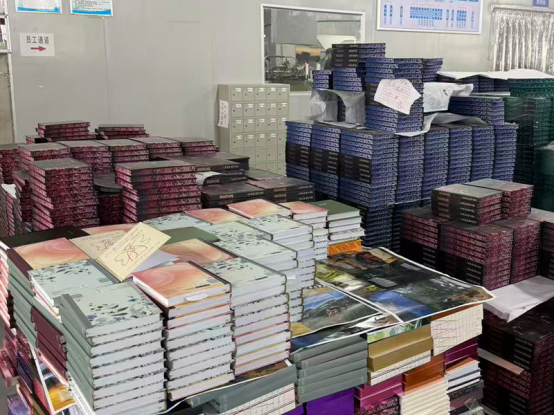
If your goal is to build a long-term stationery brand, working directly with a professional manufacturer often provides greater value over time.
An experienced factory can support your business with:
· Professional design suggestions
· Rapid sample development
· Stable production schedules
· Strict quality control
· Flexible OEM & ODM solutions
· Long-term manufacturing support as your brand grows
Choosing the right partner is not just about finding the lowest price—it is about finding a supplier that understands your brand, protects your quality standards, and grows with your business.
What matters most to you when choosing a supplier—price, quality, customization, or communication?
Share your thoughts in the comments. We'd love to hear your perspective.