
Notebook Manufacturing Process: What Happens in Real Production
Notebook Manufacturing Process: What Happens in Real Production
May 5, 2026
When people ask about the notebook manufacturing process, they usually imagine a straight line.Design comes first, then printing, then binding, and finally packaging. On paper, that description is not wrong. In real production, however, the process rarely moves in such a clean order.
At Boyi Printing, most notebook projects begin with a conversation that feels unfinished.Clients often come with a rough idea rather than a final specification. They may know the size they want, or the market they are targeting, but many details are still unclear. This early uncertainty is normal, and it plays a much bigger role in production than most people expect.
Before any machines are turned on, the structure of the notebook needs to be decided.This includes binding type, page count range, cover material, and paper weight. These choices are not independent from each other. A small change in paper thickness can affect spine width. A different binding method can limit cover finishing options. In manufacturing, these connections matter more than appearance alone.
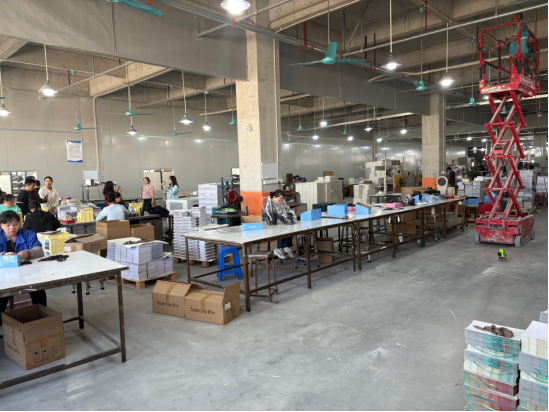
Once the structure is confirmed, paper selection becomes the next critical step.
Paper is often treated as a simple material, but in practice it behaves differently depending on humidity, ink coverage, and binding method. A notebook designed for heavy writing needs paper that balances smoothness and ink control. A notebook intended mainly for branding visuals may prioritize print clarity instead. Testing is often required, especially for new combinations.
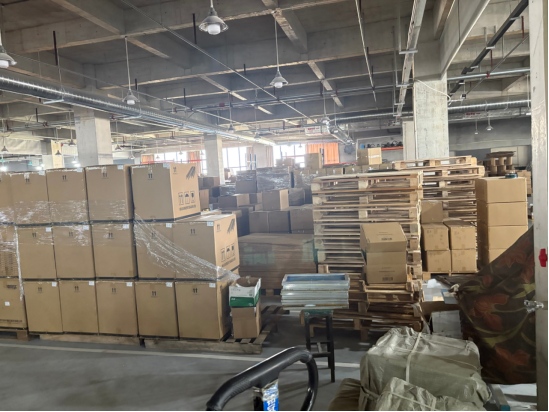
Printing is the most visible stage, but it is not always the most complicated one.
For inner pages, consistency matters more than color accuracy. Small shifts in alignment or ink density may not stand out on a single page, but across hundreds of pages they become noticeable. Cover printing usually receives more attention, especially when special finishes are involved. Each finishing option adds another variable to control.
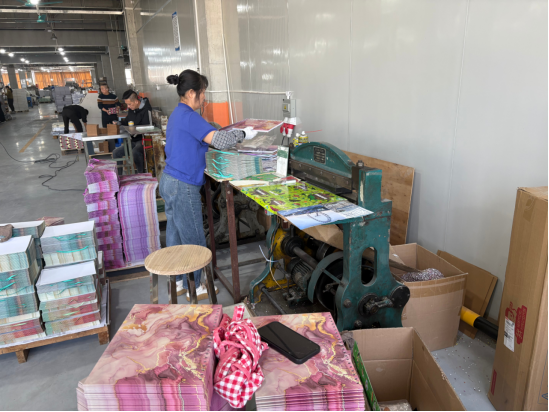
After printing, pages move into folding and gathering.
This step looks simple, yet it directly affects how the notebook opens and feels in use. Misalignment here can cause uneven edges or tension along the spine later. In sewn or perfect bound notebooks, this stage determines long-term durability more than most customers realize.
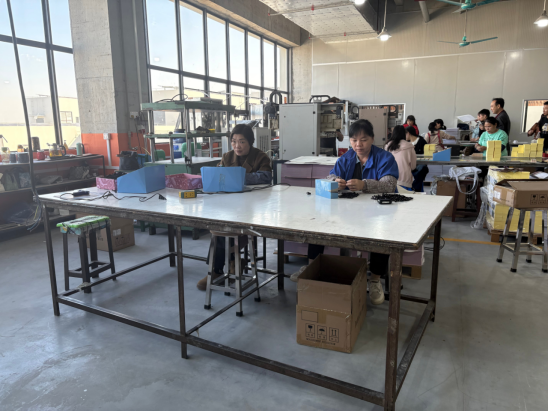
Binding is where many production challenges appear.
Spiral binding allows flexibility but requires precise hole placement. Perfect binding depends heavily on glue quality and spine preparation. Sewn binding introduces manual steps that demand experience rather than speed. Hardcover binding combines several processes into one, which increases both labor and risk. Each method solves one problem while introducing another.