Why Do Different Factories Quote Double Prices for the Same Notebook?
Why Do Different Factories Quote Double Prices for the Same Notebook?
When sourcing custom notebooks, many buyers have experienced the same situation:
Two suppliers offer completely different prices for what appears to be the same notebook.
One factory quotes $2 per piece, while another quotes $4 or even higher.
Why is there such a big difference?
Is the more expensive supplier overcharging?
Or is the cheaper supplier using lower-quality materials?
The answer is usually hidden in the details.
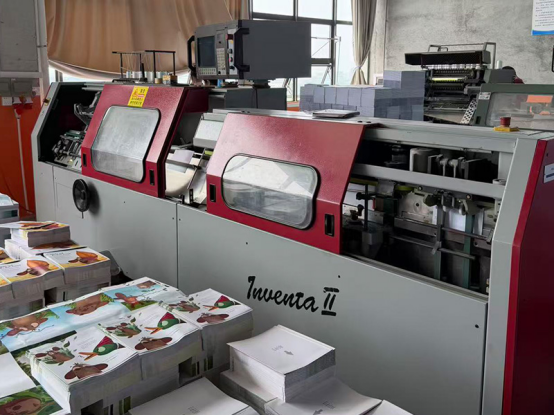
1. Paper Quality Makes a Big Difference
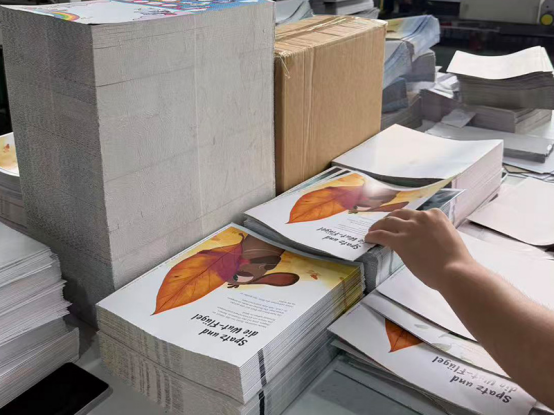
At first glance, notebook paper may look similar, but the quality can vary greatly.
Different factories may use:
· Different paper weight (GSM)
· Different paper materials
· Different whiteness levels
· Different smoothness
· Different ink absorption performance
For example, a notebook using 80gsm premium writing paper will provide a completely different writing experience compared with a notebook using lower-grade paper.
A high-quality notebook should offer:
✓ Smooth writing experience
✓ Less ink bleeding
✓ Comfortable hand feeling
✓ Better durability for daily use
The paper inside is one of the biggest factors affecting the final price.
2. Cover Materials Create Different Costs
The cover is another important factor.
A simple soft cover notebook and a premium hardcover notebook may look similar in photos, but their production processes are completely different.
Cover options include:
· Art paper
· PU leather
· Fabric
· Kraft paper
· Special textured paper
· Recycled materials
Additional processes such as:
· Foil stamping
· Embossing
· Debossing
· UV printing
· Lamination
· Special coating
can significantly increase the production cost.
A premium cover is not just about appearance—it represents the brand value behind the product.
3. Printing Technology Affects the Final Result
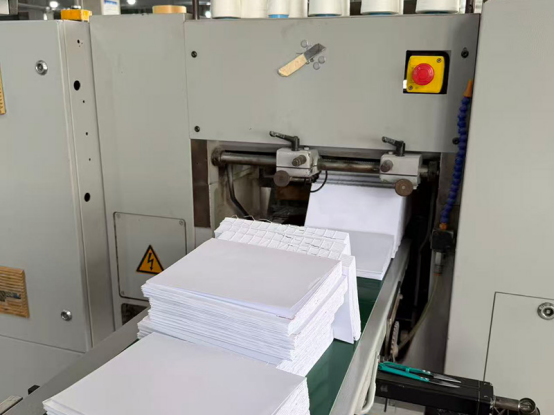
Printing quality is another hidden difference.
Different factories may use different printing methods and equipment.
Factors include:
· Color accuracy
· Printing machine quality
· Ink quality
· Production experience
· Quality control standards
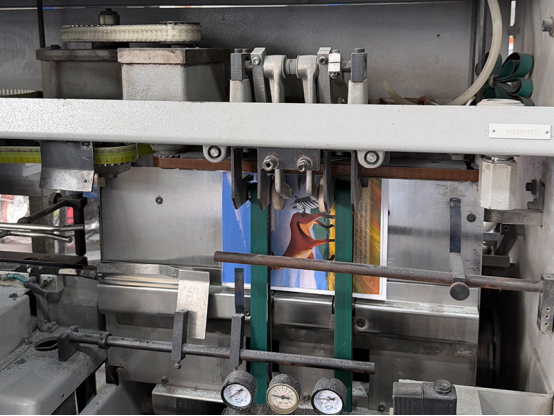
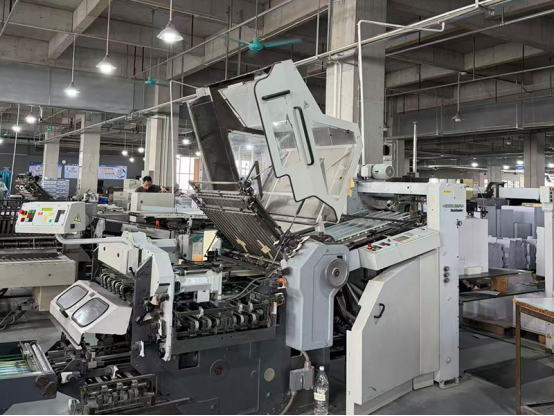
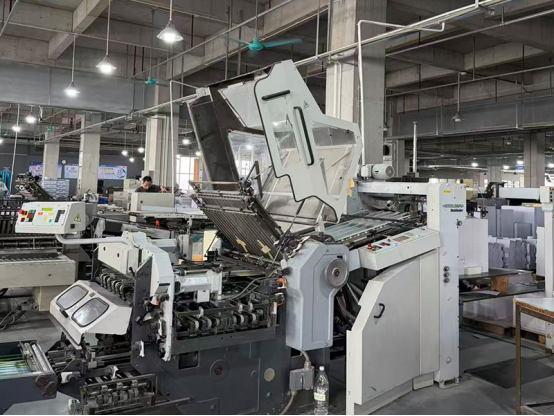
Professional manufacturers invest in advanced printing equipment and skilled operators to ensure stable colors and consistent quality, especially for large orders.
4. Manufacturing Experience Matters
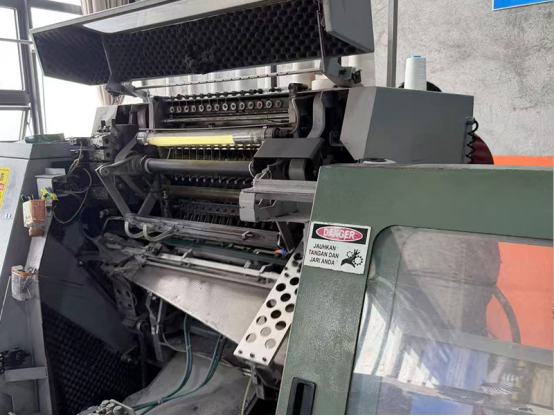
A notebook is not simply paper + cover.
The production process involves many steps:
· Material selection
· Printing
· Folding
· Binding
· Cover production
· Assembly
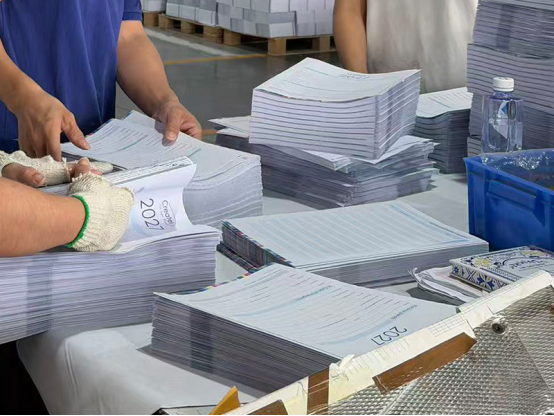
· Inspection
· Packaging
Experienced factories have better production management, which helps reduce mistakes and improve efficiency.
A lower quote may sometimes mean:
· Less quality inspection
· Less experienced workers
· Cheaper materials
· Limited customization ability
5. Customization Level Changes the Price
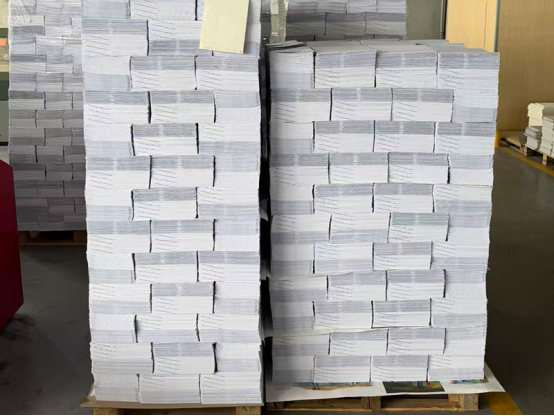
A standard notebook from stock production will always be cheaper than a fully customized notebook.
Customization may include:
· Custom size
· Custom page layout
· Custom cover design
· Custom logo
· Custom packaging
· Special accessories
For brands, schools, companies, and promotional projects, customization creates a unique product—but it also requires more development time and technical support.
6. Quality Control and Service Are Part of the Cost
A reliable factory does more than manufacture products.
They provide:
✓ Sample development
✓ Production follow-up
✓ Quality inspection
✓ Problem-solving support
✓ After-sales service
These services reduce risks and help customers build stable supply chains.
The cheapest supplier may save money at the beginning, but quality problems, delays, or inconsistent production can create higher costs later.
So, Which Price Should You Choose?
The lowest price is not always the best choice.
The highest price is not always the best quality.
The key is understanding what is included in the quotation:
· What type of paper is used?
· What materials are selected?
· What printing process is applied?
· What quality standards are followed?
· What customization support is provided?
A professional manufacturing partner should provide a balance between:
Quality + Price + Reliability + Customization Capability
For brands looking for long-term growth, choosing the right factory is more important than choosing the cheapest quotation.
A good supplier does not just make notebooks.
They help turn ideas into products.
What is the most important factor when choosing a notebook supplier: price, quality, customization, or production capability?
We’d love to hear your thoughts.