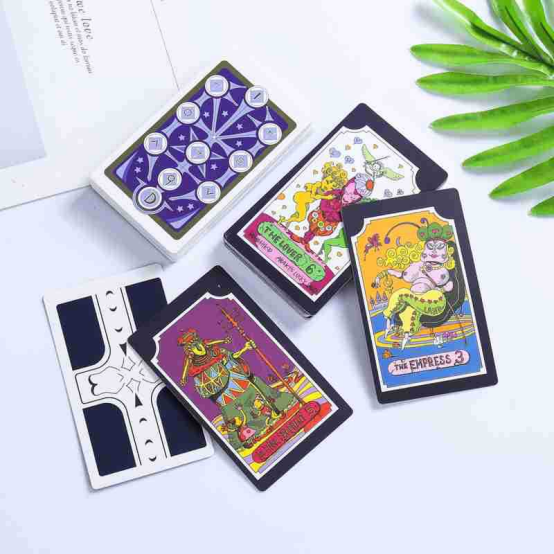
Custom Tarot & Oracle Card Printing Factory | OEM Card Deck Manufacturer

c
When sourcing custom cards, many buyers face the same question:
Why do different manufacturers quote completely different prices for the same card product?
One supplier may offer a very competitive price, while another supplier’s quotation is much higher.
Is the expensive supplier charging too much?
Or does the lower price mean lower quality?
The truth is that the final price of custom cards depends on many hidden details, from materials and printing techniques to production experience and quality control.
Let’s explore the key factors behind the price differences.
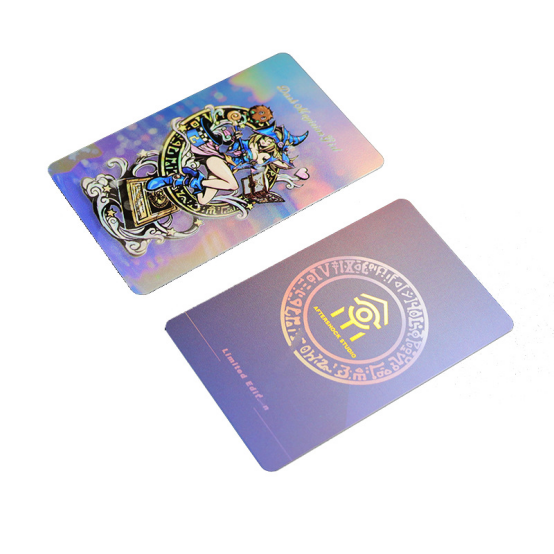
1. Card Material Makes a Big Difference
The first factor affecting card cost is the material.
Although two cards may look similar in pictures, the actual materials can be completely different.
Common factors include:
·
Paper type
·
·
Card thickness
·
·
Paper weight (GSM)
·
·
Core material
·
·
Surface texture
·
·
Durability
·
For example, a premium card using high-quality black core paper will provide:
✓ Better thickness
✓ Better flexibility
✓ More professional handling experience
✓ Longer product lifespan
While a lower-cost card may use thinner materials that affect the overall user experience.
For products such as trading cards, tarot cards, and premium game cards, material selection directly impacts customer satisfaction.
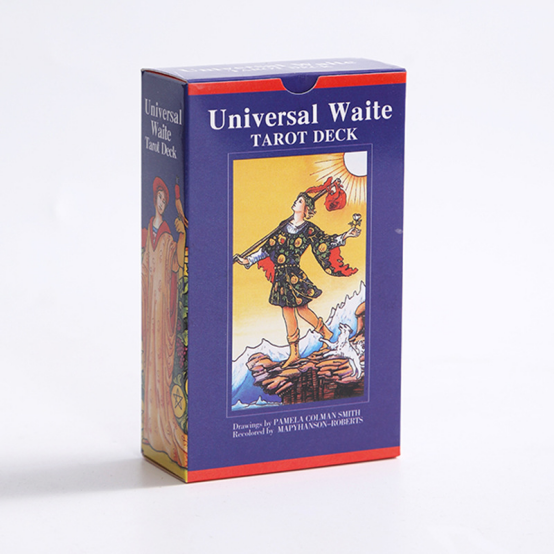
2. Printing Quality Affects the Final Appearance
Printing is another important factor that creates price differences.
A professional card manufacturer focuses on:
·
Color accuracy
·
·
Image sharpness
·
·
Printing consistency
·
·
Double-sided alignment
·
Different printing equipment and production standards can lead to very different results.
A premium card product usually requires:
✓ Accurate color reproduction
✓ Clear details
✓ Stable quality during mass production
For brands, especially collectible card projects, printing quality represents the value of the product.
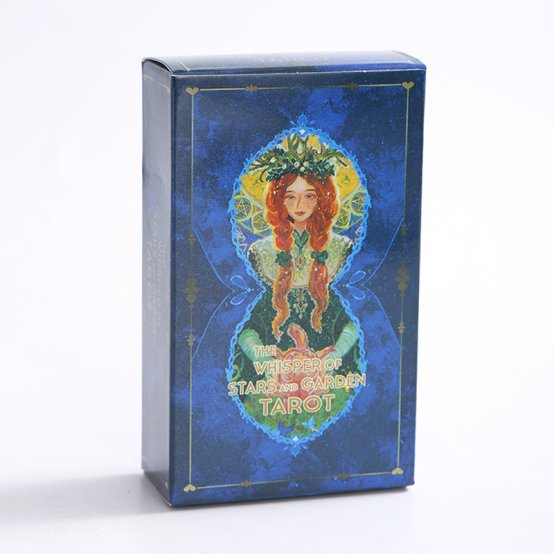
3. Special Finishing Creates Premium Value
Many high-end card products use special finishing techniques to create a unique experience.
Popular options include:
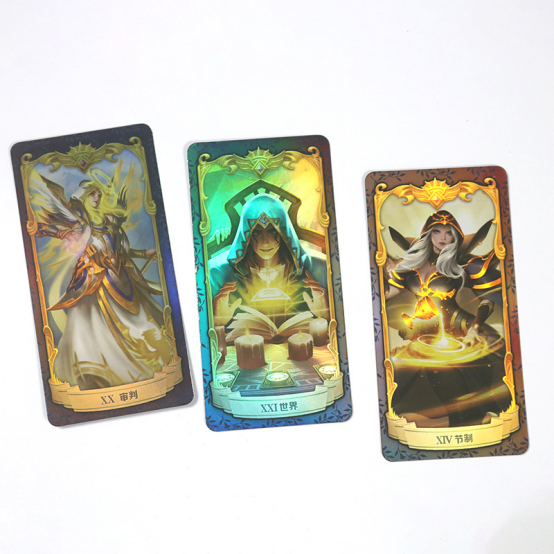
Foil Stamping
Creates metallic effects and highlights important design elements.
Embossing
Adds a raised texture and a premium 3D feeling.
UV Printing
Creates selective glossy effects on specific areas.
Special Coatings
Including matte, glossy, linen, and soft-touch finishes.
These processes require additional materials, equipment, and skilled production, which naturally increases the cost.
4. Card Size and Production Complexity
Not all card products are produced the same way.
The price can change depending on:
·
Card size
·
·
Shape design
·
·
Rounded corners
·
·
Number of cards per set
·
·
Assembly requirements
·
For example, a standard card deck is much easier to produce than a customized card set with:
·
Multiple card types
·
·
Special shapes
·
·
Inserts
·
·
Accessories
·
·
Premium packaging
·
The more complex the structure, the more manufacturing steps are involved.
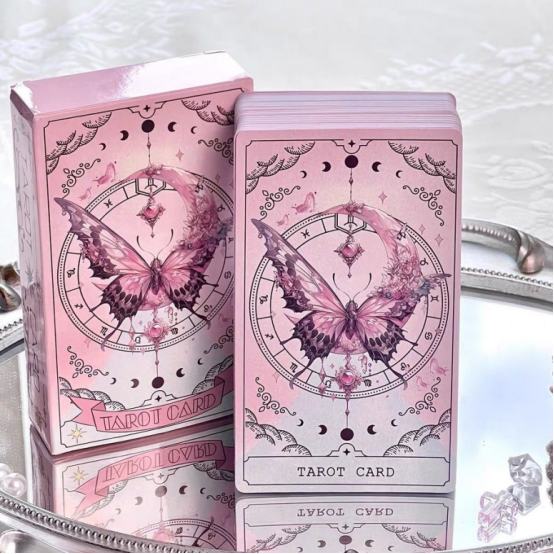
5. Packaging Design Influences the Total Cost
Packaging is an important part of the card product experience.
A simple paper box and a premium gift box represent completely different product values.
Common packaging options include:
·
Standard card boxes
·
·
Drawer boxes
·
·
Magnetic boxes
·
·
Rigid gift boxes
·
·
Custom sleeves
·
For premium brands, packaging is not just protection—it is part of the customer experience.
A well-designed package can increase perceived value and strengthen brand recognition.
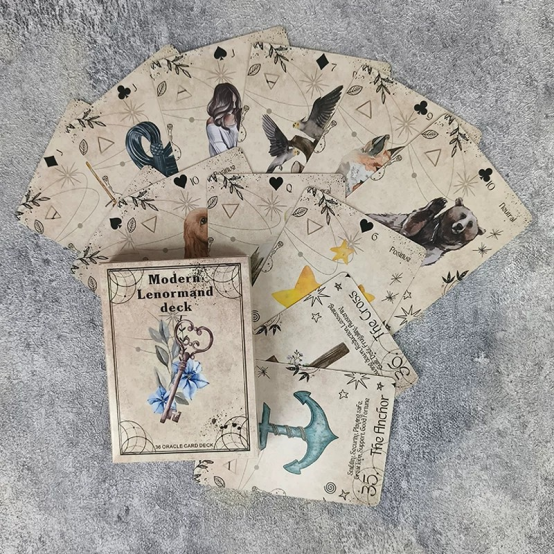
6. Manufacturing Experience and Quality Control
A professional manufacturer provides more than production.
Experienced factories usually have:
✓ Professional production teams
✓ Strict quality inspection systems
✓ Better problem-solving ability
✓ Stable mass production capability
During card manufacturing, quality control includes:
·
Printing inspection
·
·
Cutting accuracy
·
·
Corner checking
·
·
Surface inspection
·
·
Quantity verification
·
A lower quotation may sometimes reduce costs by using cheaper materials, simpler processes, or fewer inspection steps.

7. Customization Level Changes the Price
A stock card product and a fully customized card product have completely different production requirements.
Customization may include:
·
Custom artwork
·
·
Unique card structures
·
·
Special materials
·
·
Custom packaging
·
·
Brand logo
·
·
Exclusive designs
·
For brands launching new products, customization creates differentiation and helps them stand out in the market.

So, How Should You Compare Card Manufacturer Quotes?
The lowest price is not always the best choice.
Before making a decision, ask:
✓ What material is included?
✓ What thickness is used?
✓ What printing process is applied?
✓ What finishing options are available?
✓ How is quality controlled?
✓ Can the supplier support future production?
A reliable manufacturer should provide the right balance between:
Quality + Price + Production Capability + Long-Term Support
The Real Value Behind a Card Product
A great card product is not simply paper cut into pieces.
It combines:
Material Selection + Printing Technology + Craftsmanship + Manufacturing Experience
Choosing the right manufacturing partner helps brands create products that customers enjoy, remember, and recommend.
When choosing a card supplier, what matters most to you: price, quality, customization, or production experience?
We’d love to hear your thoughts.