
Eco-Friendly Paper Is Not Just Recycled Paper: How Should Brands Choose the Right Sustainable Paper?
Eco-Friendly Paper Is Not Just Recycled Paper: How Should Brands Choose the Right Sustainable Paper?
Sustainability has become an important consideration for global brands.
When developing custom notebooks, packaging, gift sets, or other paper products, many companies are looking for environmentally responsible materials.
However, one common misunderstanding remains:
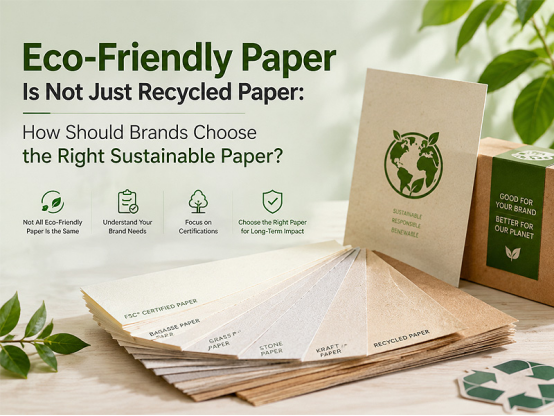
Eco-friendly paper does not simply mean recycled paper.
Sustainable paper includes different types of materials, certifications, and production methods. Choosing the right paper requires a better understanding of what each option offers.
So, how should brands select the right sustainable paper for their products?

1. What Is Eco-Friendly Paper?
Eco-friendly paper refers to paper produced with a focus on reducing environmental impact throughout its lifecycle.
This may include:
· Responsible raw material sourcing
· Reduced resource consumption
· Sustainable production processes
· Recyclability
· Environmental certifications
Different sustainable paper options can have different characteristics depending on their materials and manufacturing processes.

2. Recycled Paper: A Common Sustainable Choice
Recycled paper is made from recovered paper materials that are processed and reused.
Advantages:
✓ Reduces the demand for virgin fiber
✓ Helps minimize paper waste
✓ Supports circular economy practices
Recycled paper is often used for:
· Notebooks
· Packaging materials
· Shopping bags
· Promotional products
However, recycled paper is not always the best choice for every application.
Depending on the recycling process, it may have differences in:
· Paper strength
· Smoothness
· Color appearance
· Printing performance
Brands need to balance sustainability goals with product requirements.

3. FSC-Certified Paper: Responsible Forest Management
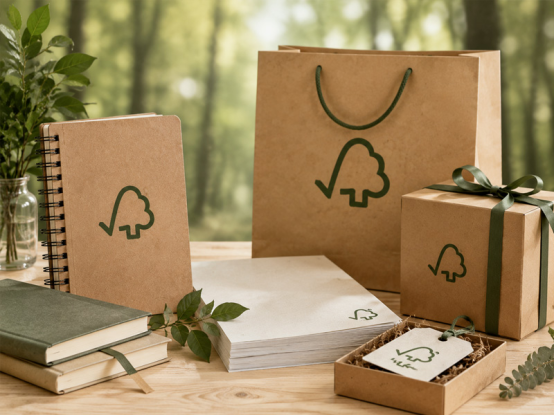
FSC-certified paper comes from responsibly managed forests.
The FSC certification ensures that forest resources are sourced with consideration for:
· Environmental protection
· Biodiversity
· Responsible forestry practices
· Social responsibility
FSC paper is widely used by brands that want to communicate responsible sourcing.
Common applications include:
· Premium notebooks
· Brand packaging
· Corporate gift sets
· Retail paper products
For many international brands, FSC certification has become an important requirement when selecting suppliers.
4. Recycled Paper vs FSC Paper: Which One Is Better?
There is no single answer.
The right choice depends on the product goals.
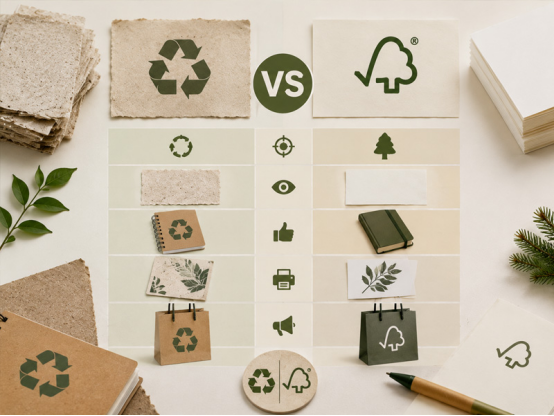
Recycled Paper | FSC Paper | |
Main Focus | Reusing existing materials | Responsible forest sourcing |
Appearance | Natural, textured feeling | More consistent quality |
Best For | Eco-style products | Premium brand products |
Printing Performance | Depends on quality | Usually more stable |
Brand Communication | Waste reduction | Sustainable sourcing |
Some brands also combine both approaches by choosing FSC-certified recycled paper.
5. Consider Product Function Before Choosing Paper
Sustainability is important, but product performance also matters.
Brands should consider:
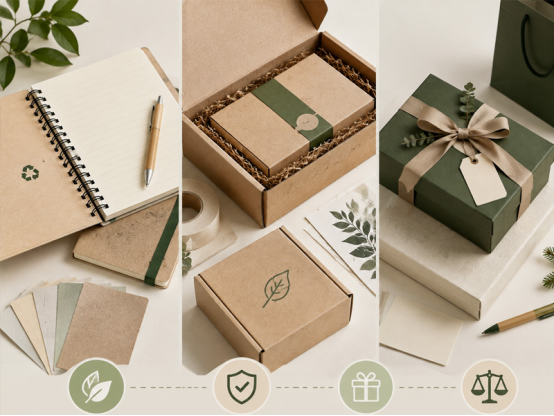
For Notebooks
Important factors:
· Writing experience
· Paper smoothness
· Ink absorption
· Durability
For Packaging
Important factors:
· Strength
· Protection ability
· Printing quality
· Structure design
For Gift Products
Important factors:
· Premium appearance
· Touch feeling
· Brand presentation
The most sustainable material is not always the one with the highest recycled content—it is the one that creates the best balance between environmental value and product performance.
6. Certifications Matter More Than Marketing Words
Today, many products use words like:
· Eco
· Green
· Sustainable
· Natural
However, these terms alone do not always explain the real environmental impact.
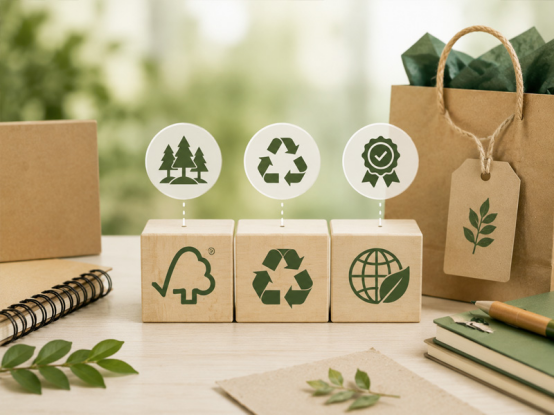
Brands should pay attention to recognized certifications, such as:
FSC Certification
Supports responsible forest management.
Recycled Content Certification
Shows the use of recycled materials.
Other Sustainability Standards
Depending on the market and product category, additional certifications may apply.
Choosing certified materials helps brands build stronger trust with customers.
7. How Can Brands Make Better Sustainable Choices?
Before selecting paper materials, brands should ask:
✓ What is the product purpose?
✓ Does the paper need premium appearance or natural texture?
✓ What printing quality is required?
✓ What sustainability message does the brand want to communicate?
✓ Which certifications are needed for the target market?
A professional paper product manufacturer can help brands evaluate:
· Material options
· Cost differences
· Production feasibility
· Sustainability goals
8.The Future of Sustainable Paper Products
The future of sustainable paper is not about choosing only one material.
It is about making smarter decisions.
For brands, the best sustainable solution combines:
Responsible Materials + Reliable Certifications + Product Performance + Brand Value
Whether it is a custom notebook, premium packaging box, or corporate gift set, the right paper choice can help brands reduce environmental impact while creating products customers love.
Sustainability is not just about using recycled materials—it is about choosing better solutions for the entire product lifecycle.
What matters most when choosing sustainable paper: recycled content, certification, appearance, or performance?