

What Should You Consider When Customizing Notebooks?
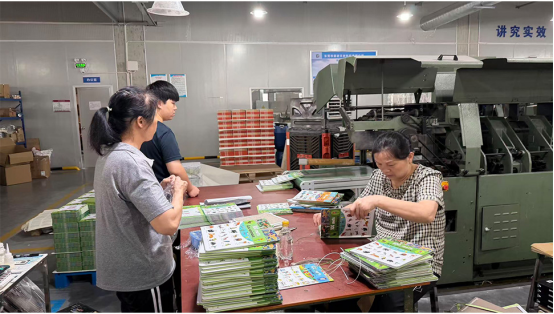
What Should You Consider When Customizing Notebooks?
A custom notebook is more than just a cover with a logo.
For brands, retailers, and corporate buyers, details such as paper, binding, size, printing, and finishing can directly affect the final product experience—and the quotation.
Before starting your custom notebook project, here are the key points worth considering.
1. Choose the Right Paper
Paper is the first thing customers experience when they open a notebook.
Consider:
· Paper GSM
· Paper color
· Smoothness
· Opacity
· Writing performance
For everyday notebooks, comfortable writing may be the priority. For premium stationery, paper texture and thickness can create a more luxurious feel.
Don't simply choose the thickest paper. Choose the right paper for the way your customers will use the notebook.
2. Size & Page Count
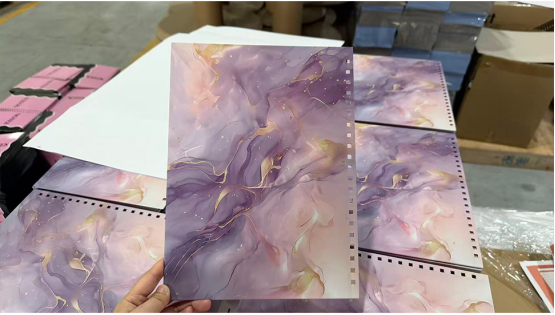
A5, A6, B5, and other standard sizes are popular—but custom sizes are also possible.
You should also decide:
· Number of pages
· Page layout
· Ruled, blank, or grid pages
· Single-sided or double-sided printing
A larger notebook provides more writing space, while a smaller one is easier to carry.
The best size depends on your target users and application.
3. Cover Material Matters
The cover is what customers see first.
Depending on your positioning, you can consider:
· Art paper
· Kraft paper
· PP
· PVC
· Fabric
· PU leather
· Hardcover materials
A promotional notebook may only need a simple printed cover.
A premium retail notebook may benefit from a hardcover, textured paper, PU cover, or other specialty materials.
4. Don't Ignore the Binding
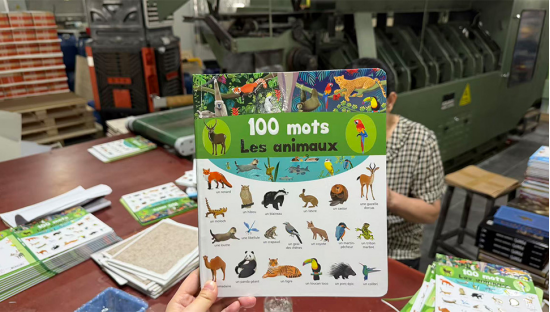
Binding affects both appearance and usability.
Common options include:
Perfect Binding – clean and economical.
Saddle Stitching – suitable for thinner notebooks.
Spiral / Wire-O Binding – convenient for frequent page turning.
Hardcover Binding – suitable for premium notebooks.
Think about how customers will actually use the notebook before choosing the binding method.
5. Make the Printing Work for Your Brand
Your notebook can be customized with:
· Logo
· Brand colors
· Illustrations
· Patterns
· Inner page designs
· Custom messages
If your brand has strict color requirements, make sure the manufacturer can provide a physical sample for confirmation.
Good branding doesn't mean adding more elements. It means making every element work together.

6. Choose Finishing Carefully
Special finishing can make a notebook feel much more premium.
Popular options include:
· Foil stamping
· Embossing
· Debossing
· Spot UV
· Matte or gloss lamination
· Custom edge printing
But don't use every technique just because it is available.
A simple design with high-quality paper and one well-chosen finishing technique can often look more sophisticated than an over-designed cover.
7. Think About Functionality
Customers don't just look at a notebook—they use it.
You can add practical features such as:
· Elastic bands
· Bookmarks
· Pen loops
· Inner pockets
· Index tabs
· Stickers
· Document sleeves
These small additions can make a standard notebook much more useful.
8. Packaging Is Part of the Product
If the notebook is intended for retail or gifting, packaging deserves attention.
Options include:
· Paper sleeves
· Custom paper boxes
· Gift boxes
· Belly bands
· Complete stationery sets
A well-designed package can significantly improve the first impression and perceived value of the notebook.
9. Always Make a Sample
Before mass production, don't rely only on digital artwork.
A physical sample allows you to check:
Paper Feel + Cover + Printing + Color + Binding + Finishing + Functionality
It's much easier to change a specification during sampling than after thousands of notebooks have been produced.
Final Thoughts
A successful custom notebook comes from getting the details right:
Paper + Size + Cover + Binding + Printing + Finishing + Functionality + Packaging
You don't necessarily need the most expensive materials or the most complicated design.
You need the right combination for your brand, customers, and budget.
Because when a customer opens your notebook for the first time, every detail—from the cover to the last page—helps tell your brand's story.